Your complete guide to using Le Au Aoga’s 5-day literacy pack. Learn how to teach your preschooler letters A-E through Pacific culture in just 15 minutes a day.
How to Use Le Au Aoga: Your 5-Day Letter Adventure Guide
Welcome to Your Family’s Literacy Journey
You’ve downloaded the pack. You’re excited. But maybe you’re also thinking: “I’m not a teacher. What if I do this wrong? What if my child doesn’t get it?”
Let me stop you right there.
You are exactly the right person to teach your child. You know your child better than anyone. You know what makes them laugh, what catches their attention, what they love to talk about. That’s all you need.
This guide will walk you through everything—what each day includes, how to use the materials, what to do if things don’t go as planned. By the end of this week, your little one will know five letters, five sounds, and five reasons why their Pacific heritage is something to be proud of.
Let’s do this together.
What Is Le Au Aoga’s 5-Day Pack?
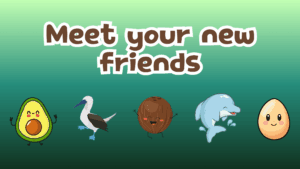
Le Au Aoga’s first literacy pack introduces five letters (A, B, C, D, E) through five characters your child will love:
- Ali the Avocado (A)
- Benny the Booby Bird (B)
- Cara the Coconut (C)
- Dana who loves Dancing (D)
- Eli the Egg (E)
Who is this for? Preschoolers ages 3-5 who are just starting to learn their letters, or who need a more culturally-connected approach to literacy.
How long does it take? Just 15 minutes a day for 5 days. That’s it.
What if we can’t do it every day? Life happens! Go at your own pace. The pack isn’t going anywhere.
Your Daily Structure: Three Simple Steps
Every day follows the same easy pattern. Once you get the rhythm, it becomes second nature.
Step 1: Talanoa (Story Time) – 5 minutes
Read the day’s character story together. This is where your child meets the character and hears the letter sound in context.
Tips:
- Use different voices for characters
- Point to the pictures as you read
- Ask: “What do you see?” or “Have you seen an avocado before?”
- Let your child interrupt and comment—that’s engagement!
Step 2: Activity Time – 7 minutes
Do the hands-on activity together. This is where the learning becomes real and memorable.
Tips:
- Gather materials before you start
- Let your child lead when possible
- It’s okay if it gets messy
- Focus on fun, not perfection
Step 3: Movement Game – 3 minutes
Get up and move! Dance, jump, clap, or act out the letter sound.
Tips:
- Clear some space
- Join in—your child learns by watching you
- Repeat the letter sound while moving
- End with celebration and praise
Day-by-Day Breakdown
Day 1: Ali the Avocado (A)
What you’ll learn: The letter A and the /a/ sound (as in “avocado” and “ali”)
The Story: Meet Ali, a proud avocado who grows on a tree behind the fale. Ali loves being picked and shared with family. The story introduces the /a/ sound naturally through Ali’s name and adventures.
The Activity: Avocado exploration
- If you have an avocado: Let your child touch it, hold it, describe it
- Draw or color an avocado together
- Practice saying “A-A-Avocado” and “A-A-Ali”
- Find other things that start with A around your house
The Movement: Avocado actions
- Pretend to be an avocado growing on a tree
- Reach up high, sway in the wind
- Say “A! A! A!” while moving
What you need: An avocado (if available), crayons or pencils, paper
Day 2: Benny the Booby Bird (B)
What you’ll learn: The letter B and the /b/ sound (as in “booby” and “bird”)
The Story: Benny is a bold booby bird who dives into the ocean to catch fish. Benny loves the beach and teaches little ones about ocean life. The story is full of /b/ sounds.
The Activity: Bird watching and creating
- Talk about birds you’ve seen at the beach
- Make a paper bird (folding or drawing)
- Practice the /b/ sound: “B-B-Bobby,” “B-B-Bird”
- Act out diving like Bobby
The Movement: Bird diving game
- Flap your arms like wings
- “Dive” down low (bend down)
- “Fly” back up
- Say “B! B! B!” with each movement
What you need: Paper, scissors (optional), crayons, space to move
Day 3: Cara the Coconut (C)
What you’ll learn: The letter C and the /k/ sound (as in “coconut” and “Cara”)
The Story: Cara is a creative coconut who can become so many things—coconut water, coconut cream, bowls, toys. Cara shows children how resourceful and valuable coconuts are in Pacific life.
The Activity: Coconut counting and creating
- If you have a coconut: explore it together (shake it, listen to the water)
- List all the ways your family uses coconuts
- Draw pictures of different coconut uses
- Practice: “C-C-Cara,” “C-C-Coconut”
The Movement: Coconut shake dance
- Pretend to shake a coconut
- Listen for the water inside
- Roll like a coconut
- Say “C! C! C!” while moving
What you need: A coconut (if available), paper, crayons, imagination
Day 4: Dana Loves Dancing (D)
What you’ll learn: The letter D and the /d/ sound (as in “dancing” and “Delilah”)
The Story: Dana loves to dance! She moves to the rhythm of Pacific drums, tells stories through movement, and teaches that dancing is a way to celebrate culture and express joy.
The Activity: Create your own dance
- Talk about dances your family knows
- Practice simple siva Samoa movements
- Make up a dance together
- Say “D-D-Dancing,” “D-D-Dana” while moving
The Movement: Dancing celebration
- Dance freely to any rhythm (clap, hum, sing)
- Try traditional movements if you know them
- Make your body form the letter D
- Say “D! D! D!” while dancing
What you need: Space to move, music or rhythm (optional), joy!
Day 5: Eli the Egg (E)
What you’ll learn: The letter E and the /e/ sound (as in “egg” and “Eli”)
The Story: Eli is an enthusiastic egg who loves being part of family meals. From breakfast to baking, Eli knows that food brings families together and that contributing to meals is an important part of our Samoan culture.
The Activity: Egg exploration and cooking
- Look at an egg together (if available)
- Talk about foods your family makes with eggs
- Draw or pretend to cook with eggs
- Practice: “E-E-Eli,” “E-E-Egg”
The Movement: Cracking and cooking game
- Pretend to crack an egg (gentle tapping motion)
- “Pour” it into a pan
- “Stir” it around
- Say “E! E! E!” with each action
What you need: An egg (if available), kitchen items for pretend play, paper and crayons
What You’ll Need: Materials List
Good news: You probably have everything already!
Essential for all days:
- The Le Au Aoga printable pack (download it free!)
- Paper and crayons/pencils
- Space to move and play
- 15 minutes of focused time
Optional but helpful:
- Real objects (avocado, coconut, egg)
- Scissors for paper crafts
- Music or rhythm instruments
Remember: If you don’t have the real object, that’s completely fine. Drawing it, talking about it, or pretending is just as valuable for learning.
Tips for Success
Before You Start
- Choose a regular time (after breakfast, before dinner, etc.)
- Turn off distractions (TV, phones)
- Gather your materials
- Get comfortable and cozy
During the Activity
- Follow your child’s energy—if they’re excited, lean in; if they’re tired, keep it shorter
- Praise effort, not just results: “You’re working so hard!” vs. “That’s perfect!”
- Say the letter sound lots of times naturally
- Let your child hold the materials, turn the pages, lead when possible
If Your Child…
…isn’t interested:
- Try again later
- Make it sillier (funny voices, dramatic movements)
- Let them just watch you do it
- Skip to the movement game—sometimes bodies engage before minds do
…already knows some letters:
- Perfect! This reinforces and connects letters to their culture
- Ask them to teach YOU
- Focus on the cultural stories and connections
- Challenge them to find more words that start with each letter
…gets frustrated:
- Take a break
- Remember: this is supposed to be fun
- Lower the pressure—just read the story today
- Come back tomorrow with fresh energy
…wants to do more:
- Wonderful! Let them keep playing with the concept
- Create more activities together
- Review previous days’ characters
- Look for the letters in books, signs, around the house
Connecting to Your Family Stories
This is where the magic really happens. The pack gives you the foundation, but YOU add the personal connection.
For each character, ask:
- “Have we ever picked avocados together?”
- “Where do we see booby birds?”
- “How does Grandma use coconuts?”
- “What dances do we do at family gatherings?”
- “What’s your favorite egg meal that we make?”
Your stories matter. When your child learns that C is for Coconut AND remembers watching you open one at the last family gathering, that’s deep learning. That’s cultural connection. That’s pride.
After the 5 Days: What’s Next?
Congratulations! You’ve completed the pack. Your child now knows five letters through five culturally-grounded characters.
Keep the learning going:
- Review the characters regularly
- Point out the letters in daily life
- Tell the stories again in your own words
- Create new activities using the same characters
Join our community:
- Share your child’s progress (tag us @leauaoga)
- Connect with other Pacific families using the pack
- Tell us what worked and what you’d like to see next
Watch for future packs:
- We’re creating more letters and more characters
- Sign up to be notified when new resources launch
- Your feedback helps us build what YOU need
You’ve Got This
I know it might feel like a lot. But remember: your child doesn’t need perfect. They need present.
They need to see you trying, celebrating their culture, and showing them that learning is joyful. They need to hear you say “A is for Avocado” and know that their world—the world they wake up in every day—is valuable and worth learning about.
Fifteen minutes. Five days. Five letters that tell your child: You belong in education. Your culture is your strength.
“The best teacher your child will ever have is a parent who believes in them and shows up.”
Ready to start? Download your FREE pack this Friday and let’s begin this journey together. 🌺
We’re all part of Le Au Aoga—the team who go to school. And your team starts at home, with you and your little one, learning together.
Comment 🥥 if you’re ready to teach your little one that C is for Coconut!